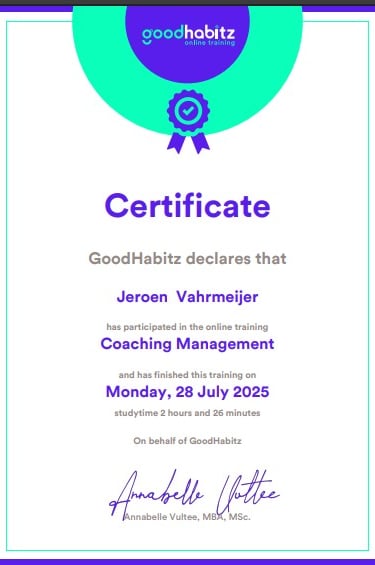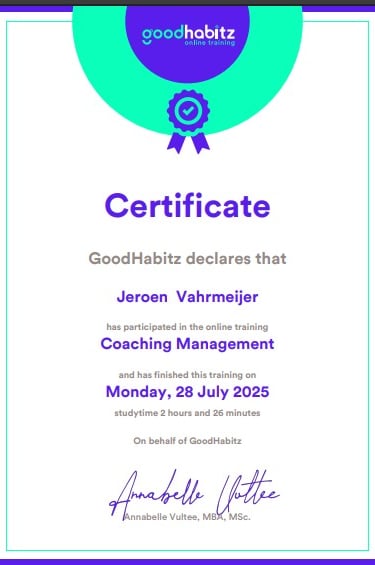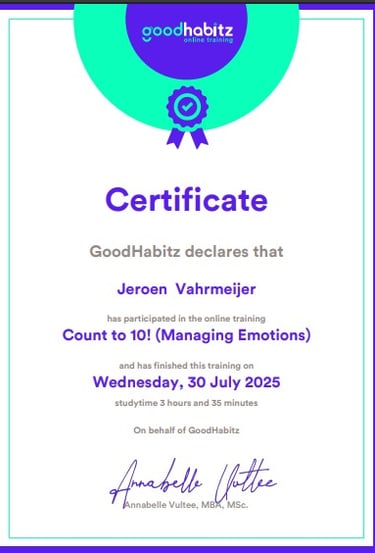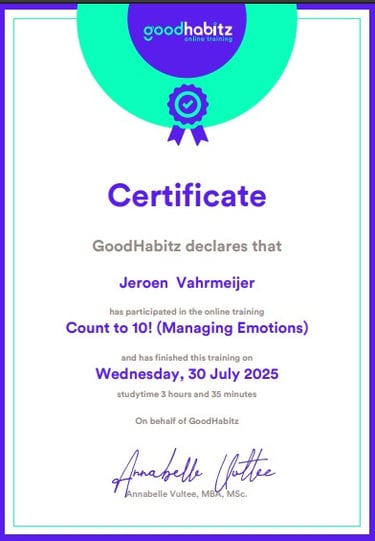


You don’t have to go through this on your own.
Bridge the waiting period with me as a peer support worker.
No one can see what’s going on inside your mind, so asking for help — admitting that things aren’t always okay — is an incredibly difficult task. It takes strength and resilience, and by arriving on this site, you’ve already shown that you have both. That first step toward asking for and seeking help is likely the hardest one you’ll ever take.
Let me help you with your steps.
What can I do for you?
I have experience in, among others, the following areas:
Depression
Family issues
Loneliness
Alcohol & drugs as self-medication
Body dysmorphia
Sexuality
Suicidal thoughts
Transcranial Magnetic Stimulation (TMS)
Procrastination
Antidepressants & mood stabilizers
How can I help you?

· I listen to you without judgment, unsolicited advice, or ready-made generic solutions.
· I support you in the process of seeking help from a psychologist, psychiatrist, or mental health service.
· Together we review your insurance to see what you are eligible for.
· If you already have an appointment scheduled with, for example, a mental health service, we create a plan to bridge the waiting period together.
· If you’ve just started medication or want to taper off, I can support you by listening and sharing my own experience.




What can I promise you?
· Everything you share with me stays between us.
· The path we create together is fully tailored to your needs and your story.
· I have no waiting list — after our first contact, we’ll schedule a free intake session as soon as possible, and you decide afterward whether you want to continue with me.
· You won’t have to face things alone anymore.
· Our sessions take place via Teams, Zoom, or any platform you prefer — no travel time, no distance limitations
· After our first contact by email or phone, we’ll schedule a free intake session.
· During this session, I’ll briefly explain what our collaboration could look like and what options might suit your situation.
· After the conversation, I will email you a personalized plan of approach for our work together.
· If we both feel aligned with what we discussed, we can schedule our first session right away.
· Video sessions last 50 minutes.
· Peer-support services are not yet covered by health insurance. I want my support to be accessible to everyone, so we will always find a cost that works for you.
· Your plan of approach is fully tailored to your needs, and the cost reflects that personalization.
What does this look like in practice?
Individual coaching and support are my strengths and what I truly do best. Friends and acquaintances often come to me for advice when they’re dealing with depression, low moods, or related struggles. They’ve told me that I’m good at it — at listening, and using my own experiences to help others.
Because of what I’ve been through myself, I can listen to you with real understanding. I know what you’re feeling, what you’re going through, and what you’re struggling with.
Someone who truly listens… how comforting would that be? Sometimes that’s all you need: someone you can trust with your story and your thoughts. No solutions, no diagnosis, no treatment plan or advice… just the space to speak your truth. And that truth is often heavy. Whatever your story is, it’s usually far too much to share with friends, family, or the people you love most.
How do you tell your partner, your best friend, your mother, brother, or sister that you’ve spent days consumed by the thought that you no longer want to be here — that the unbearable pain has become too much?
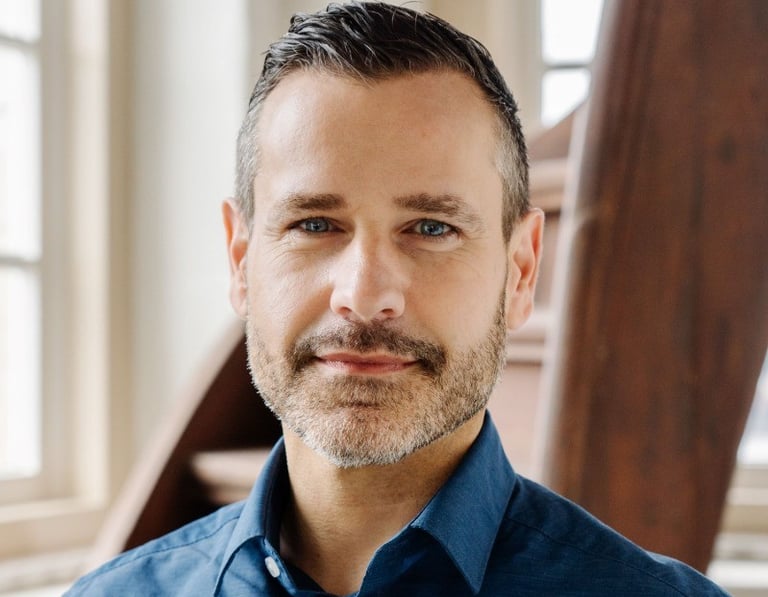
That’s why I want to be there for you. My name is Jeroen, I know what it’s like, and I will listen. Together, we can create a plan to get you through that awful waiting period.
Let’s bridge the gap!




What is a Lived Experience Practitioner?
An experience-based worker or peer mentor is someone who has gained understanding and practical insight through lived experience with mental health challenges or other difficult life situations.
This personal experience allows them to support others, listen without judgment, and walk alongside people who are going through similar struggles.
They don’t work from theory — they work from lived reality, and that makes the support deeply relatable and real.
A peer support worker or experience-based mentor can be involved in the following areas:
Support for peers:
Someone who is recovering from their own mental health challenges can support others by sharing how they have dealt with similar struggles.
Enhancing professional care:
Lived experience is used to complement and improve traditional mental health services.
Individual coaching and guidance:
As a “buddy” or mentor, experience-based workers support individuals — including young people — by helping them navigate specific challenges, make future plans, and offering a compassionate, understanding ear.



"I’ve known Jeroen for 30 years. Whenever something is weighing on me, he’s the first person I call. He listens and gives advice that truly helps me and the people I love."
Anne, non-profit


"Jeroen has a great sense of empathy, and I always enjoy brainstorming new ideas with him, philosophizing about life, and talking about anything that comes up. I trust him so deeply that I asked him to be the godfather of my children."
Maarten, Coach, Businessmentor, Breathwork

Paul,Cameraman, correspondent and presenter

"Jeroen is annoyingly good at knowing exactly what to say — even when it’s not what you want to hear — and somehow he still makes it easy to laugh at yourself in the process (before going home to cry about it).
I’m grateful for the long conversations and the great advice he’s given me over the years, ever since I first spotted him floating in the Arabian Gulf."